Leopard Bubble Font: Playful Decorative Type for Web Design
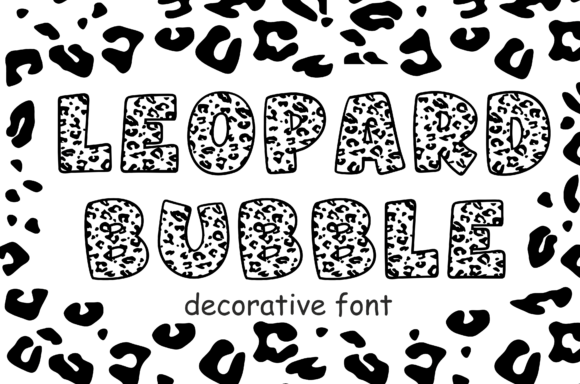
Leopard Bubble is a playful decorative font inspired by the wild elegance of leopard spots, offering web designers a unique typographic solution for brands that require personality without sacrificing digital clarity. Each bold, rounded letter is filled with an organic animal print pattern, creating a fun and stylish look that translates surprisingly well to screen-based media when applied strategically. As digital product creators and UI designers, we understand that decorative fonts often carry a stigma of poor readability, but this typeface bridges the gap between novelty and functional display typography. The integrated texture eliminates the need for complex masking or image overlays in CSS, allowing for crisp rendering across landing pages, hero sections, and branded content blocks while maintaining a lightweight file footprint.
Leopard Bubble for High-Impact Hero Sections and Landing Pages
When integrating Leopard Bubble into high-traffic landing pages, the primary goal is to leverage its visual weight to arrest user attention immediately above the fold. Decorative fonts like this excel in hero headers because the internal animal print pattern creates natural contrast against solid background colors, reducing the cognitive load required to distinguish text from negative space. For conversion-focused layouts, using this typeface for the main value proposition or headline establishes an immediate emotional connection, signaling creativity and approachability before the user engages with body copy. Because each glyph contains intricate detail, it performs best at large sizes—typically 48px to 96px on desktop viewports—where the organic patterns remain distinct rather than blurring into noise. This makes it an ideal candidate for SaaS founders targeting creative demographics, boutique e-commerce storefronts, or lifestyle coaches who need their digital presence to feel as tactile as their physical brand assets.
Optimizing Readability and Visual Hierarchy with Leopard Bubble
Leopard Bubble functions strictly as a display typeface within the hierarchy of modern web typography, meaning it should never be deployed for body text, navigation menus, or interface labels. Fonts with internal textures compete with surrounding elements, so maintaining a clean visual hierarchy requires pairing this decorative asset with a highly legible sans serif or neutral serif for supporting content. When designing responsive layouts, consider setting a breakpoint where Leopard Bubble scales down significantly or swaps to a simpler alternative on mobile devices to preserve load times and legibility. The bold, rounded structure of the letterforms provides excellent x-height visibility, but the density of the spot pattern can reduce perceived contrast on low-quality screens. To mitigate this, ensure sufficient padding around text containers and avoid placing this font over busy photographic backgrounds; instead, use solid hex codes or subtle gradients that complement the warm, organic tones inherent in the animal print design.
Leopard Bubble for Boutique E-Commerce and Fashion Branding
Online store owners and fashion marketers can utilize Leopard Bubble to differentiate product categories and promotional banners in a saturated digital marketplace. In the context of e-commerce web design, this decorative font serves as a powerful tool for segmenting collections, highlighting limited-edition drops, or styling "Add to Cart" micro-copy for impulse purchases. The playful nature of the typeface aligns perfectly with beauty, apparel, and accessory brands that target Gen Z or Millennial audiences, as it evokes nostalgia and trend-awareness simultaneously. Unlike standard script fonts or handwritten fonts that can sometimes appear too informal or difficult to parse quickly during a shopping session, the structured geometry of Leopard Bubble maintains commercial professionalism. When used in SVG format for web graphics, the vector-based animal print remains sharp regardless of zoom level, ensuring that premium brand identity is communicated consistently from desktop monitors to smartphone screens.
Strategic Font Pairing for Digital Brand Identity Systems
Creating a cohesive digital brand kit with Leopard Bubble requires intentional font pairing to balance its maximalist aesthetic with functional usability. For editorial design and blog headers, pair this decorative display font with a clean geometric sans serif like Montserrat or Inter to ground the layout and guide the reader’s eye through long-form content. Alternatively, combining it with a sophisticated serif font can elevate the tone for luxury wellness or high-end fashion portfolios, creating a juxtaposition between wild playfulness and refined elegance. Web designers should treat Leopard Bubble as an accent element—similar to how one might use a signature color or icon set—rather than a foundational system font. This approach ensures that the brand identity remains versatile enough for serious content while retaining the distinctive character that attracts niche audiences. Always test pairings in grayscale first to ensure that the decorative texture does not overpower the structural integrity of the supporting typeface.
Leopard Bubble for Social Media Graphics and Digital Ad Creatives
Digital marketers and content creators will find Leopard Bubble particularly effective for social media templates, Instagram stories, and paid ad creatives where scroll-stopping power is paramount. Decorative fonts with built-in textures perform exceptionally well in square and vertical video formats because they add production value without requiring additional graphic design layers or raster effects. When designing thumbnails for YouTube or course sales pages, the bold silhouette of these letters ensures readability even at small preview sizes, while the internal pattern rewards closer inspection. For app screens and digital products, consider using this typeface exclusively for onboarding splash screens, achievement badges, or celebratory states where the UI needs to convey delight. However, always verify commercial font licensing terms before deploying Leopard Bubble in client projects, template kits, or scalable digital products to ensure compliance and protect your professional reputation.
Technical Implementation and Accessibility Considerations for Web Use
Implementing Leopard Bubble responsibly requires adherence to web accessibility standards and performance best practices to maintain SEO rankings and user experience. Since decorative fonts are inherently stylistic, always provide semantic HTML fallbacks and avoid embedding critical information solely within styled text that might fail to render. When serving this font via @font-face, prioritize WOFF2 formats to minimize bandwidth consumption, especially given the increased file size associated with detailed glyph outlines. Test color contrast ratios rigorously; while the animal print is visually engaging, it may not meet WCAG AA standards for text depending on the background color chosen. In such cases, reserve Leopard Bubble for non-essential decorative headings or supplement with aria-labels to ensure screen reader compatibility. By treating this typeface as a specialized design asset rather than a utility, web designers can harness its wild elegance to create memorable, conversion-oriented digital experiences that stand out in search results and user memory alike.